
Help! My knee hurts. How can I run?
Disclosure: As an Amazon Associate, this site earns from qualifying purchases. Links to Amazon on this page are affiliate links — if you buy through them, the blog earns a small commission at no extra cost to you. It’s how we keep the lights on. Semper Fi.
The “Candidates’ Curse:” Patellar Tendinitis
Many candidates get patellar tendinitis, “jumper’s knee” or runners knee at OCS or while preparing for it. If you are truly injured in your preparation for OCS, you first need to be honest and open with your OSO. If you shouldn’t get sent to OCS, but attempt to “sneak” in, they will find your injury during medical inprocessing or the initial PFT, and you will be sent home. It will be much harder to re-attend then if you had just been honest up front.
Definition
According to the Mayo Clinic, patellar tendinitis “affects the tendon connecting your kneecap (patella) to your shinbone. The patellar tendon plays a pivotal role in the way you use your leg muscles. It helps your muscles extend your knee so that you can kick a ball, run uphill and jump up in the air.” For the author personally, I experienced patellar tendinitis before and throughout OCS. It was a sharp, dense cluster of pain just below my kneecap, near the surface, and above the end of my shin bone.
Treatment
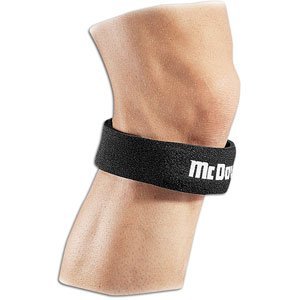
The treatment is the typical Rest, Ice, Compression, and Elevation that normally is a great idea. However, at OCS “rest” could mean missing events and losing out on your dream career of Marine Officer! What worked best for me was this simple patellar knee strap, which kept some pressure on the tendon and seemingly magically reduced pain and weakness. Also consider using NSAIDs, massage, and stretching and strengthening exercises. At OCS, the corpsmen will pass out NSAIDs like candy, but those just dull the pain and do not contribute to healing, as they tell me, so consider that fact if you are attempting to ship to OCS with bad patellar tendinitis without telling your OSO.
In conclusion
Set yourself up for success with a sensible training program that does not lead to an overuse injury. Be honest with your OSO. If you experience tendinitis while preparing for OCS, moderate your workout, use RICE and immediately get a supportive runner’s knee patellar strap.
Related Posts

Help! I think I’m below average–how do I get selected for OCS?
Thank you to West Texas+New Mexico OSO Captain Wisotzkey for sharing his advice to candidates who lack the perfect credentials. As an OSO, one of the most common questions I get from applicants is “how do I make myself more competitive for a selection board?” Sometimes this is due to the applicant wanting to crush the competition, but more often than not, it’s because they … Continue reading Help!

Why The First Salute?
The first salute also called the “Silver Dollar Salute” is one of the most important traditions in a new Marine Officers commissioning ceremony. Who gives the first salute? The first salute lives on as a tradition to honor the enlisted service member who has had the most impact on you. Many candidates choose a Sergeant Instructor they were particularly impressed with or ask a family member or … Co
Our Top Ten Most Popular Posts in 2017
Over the past year, these are the most-viewed posts on the entire site. Not all of these posts were written within the past year, although many get regularly updated. From least-viewed to most, here are the top ten posts of 2017: Number 10: Remember a Silver Dollar for Your First Salute The first salute a newly commissioned officer receives is a special moment. Naval tradition … Continue reading O